


Color is a crucial element in WordPress web design. It has the power to influence emotions, guide user behavior, and create a memorable brand identity. One of the most effective ways to use color in design is through a triadic color scheme. This approach brings balance, vibrancy, and harmony to any visual composition.
In this article, we’ll explore what a triadic color scheme is, how to create one, and the best ways to apply it in web design—especially for WordPress sites. We’ll also highlight some inspiring examples and practical tips to make the most of this technique.
What is a Triadic Color Scheme?
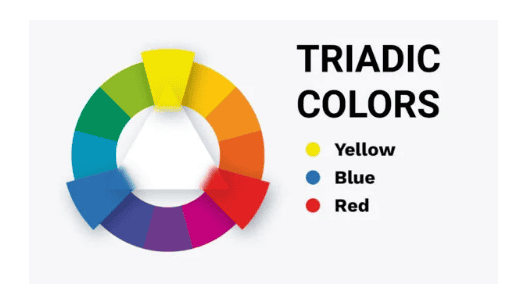
A triadic color scheme consists of three colors that are evenly spaced around the color wheel. This means that if you draw an equilateral triangle on the wheel, the three points will indicate the colors in your scheme. Some other common names for this color approach include triadic color palette or triadic color combination.
Why Use a Triadic Color Scheme for Website Design?
If you are applying the principles of color psychology, then here’s why a triadic color scheme is a smart choice for website design:
Creates a Balanced and Vibrant Look
Triadic color schemes naturally create a sense of visual balance. Because the three colors are evenly spaced, they complement each other while maintaining enough contrast to make key elements stand out. This ensures that your website remains both aesthetically pleasing and easy to navigate.
Ensures High Contrast While Maintaining Harmony
Unlike complementary color schemes, which rely on two opposite colors that can sometimes feel overwhelming, triadic schemes spread colors more evenly. This results in a dynamic yet harmonious design where no single color dominates too strongly. It helps in guiding user attention naturally across different sections of the website.
Versatile Across Different Design Fields
Whether you’re designing a website, a mobile app, a logo, or even an interior space, a triadic color scheme works across multiple design disciplines. This versatility makes it a go-to choice for designers looking for a reliable way to create a lively and professional look.
Encourages Creativity and Unique Color Combinations
With three distinct colors to work with, designers have plenty of room for experimentation. A triadic scheme allows for bold, exciting color pairings that might not be obvious at first but result in eye-catching and memorable visuals. This flexibility makes it a great choice for brands looking to stand out.
Enhances Brand Identity and Recognition
Many well-known brands use triadic color schemes because they help create strong brand recognition. By carefully selecting colors that align with the brand’s message and personality, companies can make their websites more engaging and instantly recognizable.
Improves User Experience (UX) and Readability
When used correctly, a triadic color scheme improves readability and usability. Designers can use one color as the dominant background, the second for secondary elements like buttons or icons, and the third as an accent for call-to-actions (CTAs) and highlights. This thoughtful distribution helps users navigate the site more easily.
Whether you’re building a personal blog, an e-commerce store, or a corporate website, a triadic color scheme can help make your design stand out while maintaining professionalism and usability.
Read: Common WordPress Website Design Mistakes to Avoid for Success
Understanding Color Theory
Understanding color theory is essential to mastering triadic color schemes. Knowing how colors interact helps designers create visually pleasing compositions.

The Basics of Color Theory
Different colors evoke varied feelings. There are three basics colors in the color theory that you should know to create a perfect color combination. This includes:
- Primary Colors: Red, blue, and yellow. These colors cannot be made by mixing other colors.
- Secondary Colors: Green, orange, and purple. These are made by mixing two primary colors.
- Tertiary Colors: Created by mixing a primary color with a secondary color, such as red-orange or blue-green.
The color wheel is a crucial tool that helps web designers visualize relationships between colors and choose the right combinations for different design projects.
Other Popular Color Schemes
Besides triadic color schemes, there are a few other color combinations worth understanding:
- Analogous Color Scheme: An analogous color scheme consists of three colors that are next to each other on the color wheel. For example, blue, blue-green, and green. This scheme creates a soothing and cohesive look, often seen in nature and interior design.
- Complementary Colors: Complementary colors are opposites on the color wheel. For instance, blue and orange or red and green. These combinations offer high contrast and are often used for bold, dynamic designs.
- Split-Complementary Colors: This scheme is a variation of the complementary color scheme. It uses one base color and the two colors adjacent to its complementary color. For example, instead of pairing blue with orange, you’d pair blue with red-orange and yellow-orange. This creates contrast but with less intensity than a standard complementary scheme.
Each of these schemes has its own advantages, but the triadic color scheme remains one of the best for achieving a mix of contrast and harmony.
How to Create a Triadic Color Scheme for WordPress Websites?
To create a triadic color scheme for WordPress sites, start by selecting the dominant color. Every website needs a dominant color, which serves as the primary brand color. This color should:
- Align with the brand’s identity.
- Evoke the right emotions.
- Be used in prominent areas like the background, headers, or key sections.
Next, balance is crucial when working with triadic colors. A well-balanced design ensures that no color overwhelms the others. Here, follow the 60-30-10 rule. This simple rule helps distribute colors effectively:
- 60% – Dominant color (backgrounds, large sections)
- 30% – Secondary color (buttons, menus, sidebars)
- 10% – Accent color (call-to-action elements, highlights)
Adjusting the saturation and brightness of these colors can help achieve a polished look.
Check out: Best Font for Headings: Top Choices for Eye-Catching Design
Examples of WordPress Themes That Use Triadic Color Schemes
Several WordPress themes use triadic color schemes to create visually appealing and engaging designs. Here are a few examples:
- Soledad: A multipurpose theme with creative layouts that work well with triadic color schemes. It is perfect for magazines, blogs, and portfolio sites.
- Divi Theme: With its advanced customization options, Divi allows designers to implement triadic color schemes, such as blue, red, and yellow, for a dynamic and balanced look.
- Astra Theme: Astra’s flexibility enables users to experiment with triadic palettes, like orange, green, and purple, to create eye-catching layouts.
- GeneratePress: A lightweight and fast theme that allows full customization. It makes applying triadic color schemes like red, blue, and yellow easy for a striking yet balanced design.
- Neve Theme: This lightweight and customizable theme often incorporates triadic colors in its pre-designed templates, ensuring a vibrant and cohesive user experience.
- Kadence Theme: With its intuitive design tools, Kadence lets users effortlessly implement triadic color palettes, ensuring a vibrant and modern website layout.
- OceanWP: Known for its modern and stylish designs, OceanWP supports creative color combinations, including triadic schemes. This makes it ideal for business and creative websites.
- Blocksy: A flexible theme designed for Gutenberg, Blocksy supports bright and contrasting triadic colors, helping websites stand out while maintaining a clean aesthetic.
- Hestia: Hestia’s sleek design pairs well with triadic color schemes. It offers a mix of contrast and harmony that enhances readability and engagement.
How to Use Triadic Colors in WordPress Theme Customization?
Customizing your WordPress theme with a triadic color scheme can make your website visually appealing, balanced, and engaging. By carefully selecting and applying colors, you can enhance user experience, readability, and brand identity. Here’s how to do it effectively:
Choose a WordPress Theme with Full-Color Customization
Start by selecting a WordPress theme that allows complete color control. Themes like Divi, Astra, and GeneratePress offer advanced color customization options, making it easier to apply triadic color schemes.
Apply the Dominant Color to Key Elements
Your dominant color should be used in the most visible areas, such as:
- Headers and backgrounds to establish the brand identity
- Major buttons to draw user attention
- Hero sections for a bold and engaging first impression
Use the Secondary Color for Navigation and Subheadings
The secondary color should support the dominant color without overpowering it. Apply it to:
- Navigation menus for clear structure
- Subheadings to create a visual hierarchy
- Borders and dividers for subtle contrast
Apply the Accent Color for Interactive Elements
The accent color should be used sparingly to highlight key interactive elements, such as:
- Call-to-action buttons to encourage user engagement
- Hyperlinks for clear navigation
- Icons and badges for added emphasis
Test Different Shades and Contrast Levels
To maintain readability and accessibility, experiment with:
- Lighter or darker shades for contrast
- Saturation adjustments to prevent color clashing
- Contrast checkers to ensure text remains legible
By thoughtfully applying triadic colors to your WordPress theme, you can achieve a vibrant yet balanced design that enhances user experience while maintaining brand consistency.
Examples of Triadic Color Schemes
Triadic color schemes create a visually balanced yet vibrant look by using three evenly spaced colors on the color wheel. These combinations offer contrast and harmony, making them ideal for graphic design, web design, and branding. Below are some of the best triadic color schemes, each with its own unique appeal.
Red, Yellow, Blue – A Bold and High-Energy Combination
This primary color scheme is one of the most well-known and widely used. It creates a strong, dynamic, and attention-grabbing look, making it perfect for logos, children’s designs, and high-energy brands.
Orange, Green, Purple – A Vibrant and Playful Mix
This secondary color combination brings a fun and creative feel. It works well in modern designs, artistic websites, and youthful branding, adding a touch of excitement without overwhelming the viewer.
Yellow, Blue, Green – A Natural and Calming Scheme
This combination is often found in nature, giving it a fresh, organic, and relaxing appeal. It’s a great choice for health, wellness, and eco-friendly brands that want to create a sense of balance and harmony.
Blue, Orange, Yellow – A Striking Yet Balanced Palette
With a mix of cool and warm tones, this triadic scheme creates an energetic yet sophisticated look. It is often used in corporate branding, sports team designs, and professional websites to maintain a bold yet approachable aesthetic.
Blue-Violet, Yellow-Orange, Red-Violet – A Rich and Dynamic Blend
This triadic combination offers a more refined and artistic feel. The contrast between warm and cool tones makes it a popular choice for fashion, beauty, and creative industries looking for a modern and expressive touch.
Each of these triadic color schemes can be fine-tuned by adjusting the hue, saturation, and brightness. This allows designers to create bold, playful, or elegant visuals based on their needs.
Check out: Best White Label Web Design Companies for Agencies and Freelancers
Tips for Using a Triadic Color Scheme in WordPress Web Design
Here are some practical tips to use triadic colors effectively in WordPress web design.
Use a Triadic Color Scheme for a Balanced and Engaging Design
Triadic color schemes naturally create contrast and harmony, making them ideal for web design. Ensure that one color dominates while the other two serve as complementary accents to avoid an overwhelming look.
Consider the Brand’s Identity and Message
Choose colors that reflect the brand’s personality and purpose. For example:
- A tech brand might use blue, orange, and yellow for a professional yet energetic feel.
- A creative agency could opt for blue-violet, yellow-orange, and red-violet for a more artistic and modern appeal.
Use the Dominant Color to Create a Focal Point
The dominant color should guide the user’s attention to key elements, such as:
- Hero sections and background highlights
- Logos and branding elements
- Primary buttons and call-to-action areas
Balance the Colors for a Harmonious Look
To prevent the design from looking chaotic, follow the 60-30-10 rule:
- 60% – Dominant color (background, large sections)
- 30% – Secondary color (headings, menus)
- 10% – Accent color (buttons, highlights)
Adjust the saturation and brightness of the colors to ensure smooth visual flow.
Experiment with Different Triadic Color Schemes
Not all triadic color combinations work for every brand. Try different schemes, such as:
- Blue-Violet, Yellow-Orange, and Red-Violet for a bold yet elegant look.
- Red, Yellow, and Blue for a classic, high-energy design.
- Orange, Green, and Purple for a playful and vibrant feel.
Definitive Guide: White Label Website Design Services for Agencies
To Sum Up
Triadic color schemes offer a dynamic and visually appealing way to design websites and other creative projects. By understanding color theory, selecting the right dominant color, and balancing colors effectively, designers can create stunning visuals that enhance user experience.
Experimenting with different triadic color schemes allows for creativity and originality while maintaining harmony. Whether designing a WordPress website, a logo, or an interior space, triadic color combinations can bring vibrancy and cohesion to any project.
FAQs About Triadic Color Scheme
What is an example of a triadic color scheme?
Classic triadic color scheme examples are red, yellow, and blue, which provides high contrast while maintaining balance.
What is an example of a triadic design?
A website with a blue background, orange buttons, and yellow highlights is a great example of a triadic design. It facilitates color harmony.
What is a vibrant color scheme?
A vibrant color scheme uses bold, bright, and contrasting colors to create an eye-catching and energetic design.
What is the best 3-color combination?
The best combination depends on the brand and purpose. However, blue, orange, and yellow green, purple, and orange are widely used triadic combinations.
How do I create a triadic color scheme for my website?
Use a color wheel tool, select a dominant color, and choose two other colors evenly spaced from it. Then, apply the 60-30-10 rule for a balanced look.
What’s the difference between tetradic color scheme and triadic color scheme?
A tetradic color scheme, also known as a double-complementary scheme, involves four colors that are evenly spaced around the color wheel, forming a rectangle. This scheme offers a rich and diverse palette with a balance of warm and cool tones. On the other hand, a triadic color scheme consists of three colors that are evenly spaced around the color wheel, creating an equilateral triangle. Triad colors schemes are more harmonious and vibrant, offering a balanced contrast while maintaining visual interest.