


Colors are crucial in web design, shaping user experiences, brand perception, and the website’s overall look. In digital design, the primary colors—red, green, and blue (RGB)—form the foundation of all screen displays. Mastering their use is key to crafting visually captivating and cohesive websites.
By understanding primary colors, designers can unlock a world of vibrant possibilities and create sites that resonate with their target audience. This guide delves into the significance of primary colors, explores various color models, and provides insights into achieving color harmony. Thus, helping you transform your web design into an engaging visual experience.
Understanding Primary Colors

Primary colors are the basic building blocks of color. They cannot be created by mixing other colors. In web design, the primary colors follow the RGB color model:
- Red
- Green
- Blue
In digital displays, these RGB colors come together at various intensities to generate a vast array of hues and shades. By manipulating the levels of red, green, and blue, designers can produce millions of color combinations, each with its unique aesthetic and emotional appeal.
Grasping the concept of primary colors is essential for web designers because it is pivotal in developing color schemes. A well-thought-out color scheme not only enhances the visual appeal of a website but also contributes to a consistent and recognizable brand identity.
Learn about: Best White Label Web Design Companies for Agencies and Freelancers
Importance of Primary Colors in Web Design
Primary colors play a vital role in web design, influencing various aspects of how a website is perceived and experienced by users. Here’s why they are essential:
- Form the Basis for All Color Combinations: The RGB model, which consists of red, green, and blue, serves as the foundational palette from which all digital colors are derived. By adjusting the intensity of these primary colors, designers can create a custom palette or an extensive spectrum of hues and shades, ensuring versatility and creativity in design.
- Influence Branding and User Perception: Primary colors significantly impact how a brand is perceived. Choice and use of colors can evoke certain emotions and associations, helping to build a strong and recognizable brand identity. Consistent use of these colors across a website reinforces brand messaging and enhances user recognition.
- Improve Readability and User Experience: Effective use of primary colors can enhance readability and improve the overall user experience. They help create contrast and guide the viewer’s attention to important elements on the page. By carefully selecting and balancing colors, designers can ensure that content is accessible and engaging, leading to a more user-friendly interface.
Using primary colors strategically enables designers to create a strong, memorable, and engaging website design that resonates with users and supports brand objectives.
Find out: Common WordPress Website Design Mistakes to Avoid for Success
Color Models and Color Mixing
Color models and color mixing are fundamental concepts in digital design, providing the framework for creating diverse and appealing color schemes. Different models utilize unique methods to combine colors, each serving specific purposes and applications. Understanding these helps designers produce vibrant compositions that enhance a website’s aesthetics and functionality.
The RGB and CMYK Color Models
Color models are essential in design, serving different purposes across digital and print mediums. Here are the two main color models used in design:
RGB (Red, Green, Blue)
The RGB model is used primarily for digital screens and web design. It is an additive color model, which means colors are created by combining different intensities of red, green, and blue light. This model allows for the creation of a vast array of colors by varying the intensity of each primary color, making it ideal for digital displays where light projection is key.
CMYK (Cyan, Magenta, Yellow, Black)
The CMYK model is utilized for print materials and operates on a subtractive color principle. This model creates colors by subtracting varying amounts of light absorbed by inks on paper. By layering cyan, magenta, yellow, and black inks, designers can produce a wide range of colors suited for high-quality printed outputs, ensuring vibrant prints and accurate color reproduction.
Additive vs Subtractive Color Mixing
Color mixing techniques are vital in understanding how colors are created in different mediums, such as digital screens and print. Below is an explanation of the two primary methods:
Additive Color Model Mixing (RGB)

Additive mixing pertains to the RGB color model, where colors are formed by combining red, green, and blue light. In this process, mixing all three colors at full intensity produces white light. This method is crucial for digital displays, where light is manipulated to produce the colors seen on screens.
Subtractive Color Model Mixing (CMYK)

Subtractive mixing relates to the CMYK color model, which is used in print. Here, colors are created by layering cyan, magenta, and yellow inks, which absorb (subtract) specific wavelengths of light. When combined, these inks ideally produce black, allowing designers to create a wide range of hues and tones for printed materials.
Understanding these models is essential for selecting the right colors for a project, whether for digital or print purposes.
All You Need to Know: Headless WordPress Website Design Agency
Secondary and Tertiary Colors
Using secondary and tertiary colors expands the color palette and helps create visually appealing designs.
Secondary Colors from Primary Colors

Secondary colors are formed by mixing primary colors. In the RGB model, combining two primary colors results in distinct secondary hues:
Red + Green = Yellow
Mixing red and green light produces yellow. This blend of two primary colors creates one of the vibrant secondary colors often used to evoke warmth and brightness in digital designs.
Green + Blue = Cyan
Combining green and blue light results in cyan, a secondary color that conveys a sense of calmness and clarity. Cyan is frequently used in digital design for its refreshing and tranquil appearance.
Blue + Red = Magenta
Mixing blue and red light yields magenta, a vibrant and bold secondary color. Magenta is popular in digital designs for its striking and energetic qualities, often used to draw attention or create a dynamic visual impact.
Find Out: Why Agencies are Turning to White Label WordPress Web Design Services
Tertiary Colors
Tertiary colors are formed through the combination of primary and secondary colors, resulting in more nuanced and diverse hues that add depth to any design palette.
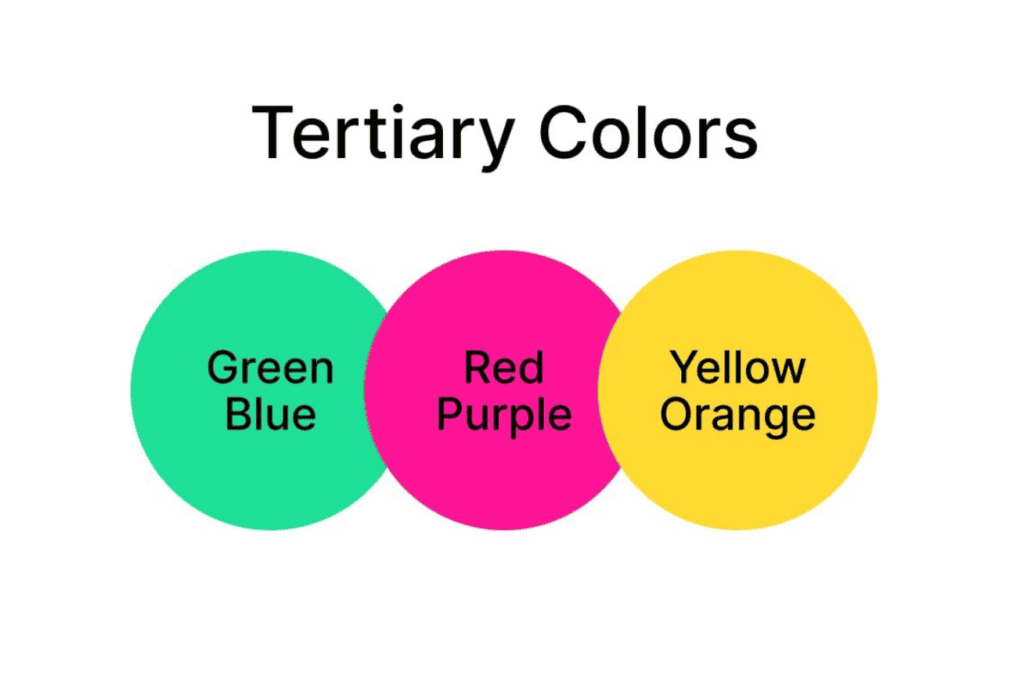
Here are some common examples:
Red-Orange (Red + Orange)
A blend of red and orange produces the tertiary color red-orange. This color offers a warm and inviting tone and is often used to draw attention and evoke excitement in design layouts.
Blue-Green (Blue + Green)
Combining blue and green yields blue-green, a tertiary color known for its refreshing and tranquil qualities. This color is ideal for designs requiring a cool and serene touch.
Yellow-Green (Yellow + Green)
Yellow-green is created by mixing yellow and green. This lively and energizing tertiary color is perfect for adding a burst of vitality and freshness to various design elements.
Learn: Why Accessibility in Web Design Should Be a Focus for White-Label WordPress Providers
Color Harmony and Color Combinations
Color harmony refers to the arrangement of colors in a way that is pleasing to the eye. Some common methods to achieve color harmony include:
- Complementary Colors: Complementary colors are located opposite each other on the color wheel, such as red and green. This pairing creates strong contrast and visual interest, often used to make elements stand out prominently.
- Analogous Colors: Analogous colors are positioned next to each other on the color wheel, like blue, green, and cyan. This combination produces a smooth and harmonious visual effect, ideal for creating serene and cohesive designs.
- Triadic Colors: Triadic colors consist of three colors evenly spaced around the color wheel such as red, blue, and yellow. These combinations offer vibrant and balanced color schemes, providing a dynamic yet stable visual impact suitable for lively and engaging designs.
Applying these principles in web design projects help create appealing visuals and maintain brand identity.
Know more: Top Trends in WordPress Website Design
Creating a Color Palette
A color palette is essential for maintaining visual consistency and reinforcing brand identity across a website. Here are key considerations when building an effective color palette:
- Choosing a Primary Color: Selecting a primary color is crucial as it represents the brand and sets the tone for the entire design. This color should embody the brand’s personality and values, serving as the foundation for all other color choices.
- Selecting Complementary Secondary Colors: Choosing complementary secondary colors enhances the design by adding depth and interest. These colors should complement the primary color, providing visual harmony while allowing flexibility to highlight different design elements.
- Readability with Contrasting Text and Background Colors: Readability is vital for user experience, so ensure that text and background colors contrast well. This contrast helps make content easily readable, enhancing accessibility and engagement across the website.
Color palettes help create a consistent look and feel, improving user experience and brand recognition.
Read: WordPress Themes Everything You Need to Know
Design Principles and Color in Web Design
Design principles and color in web design are integral to creating visually appealing, user-friendly websites. By understanding and applying these principles, designers can effectively use color to guide user interactions, enhance usability, and communicate brand identity.
Contrast, Balance, and Proportion
Effectively utilizing color in design necessitates a keen understanding of several fundamental principles. These principles ensure designs are not only visually appealing but also functionally effective:
- Contrast: Firstly, contrast is essential for making important elements stand out, such as using dark text on a light background or a light text on a dark background. This principle enhances readability and draws attention to key content, ensuring viewers easily grasp the most critical information.
- Balance: This involves distributing colors evenly throughout the design to prevent overwhelming users. A well-balanced website’s color scheme maintains visual harmony and helps guide the user’s eye smoothly across the page, creating a pleasant browsing experience.
- Proportion: Finally, proportion ensures that dominant and accent colors are used judiciously. By maintaining appropriate ratios, designers can emphasize certain elements while ensuring that the overall color scheme remains coherent and aesthetically pleasing.
Also read: Why and How Outsourcing Website Design is Done
Color Psychology: Emotional Impact of Colors
Colors can evoke a wide range of emotions, significantly influencing user perception and engagement. By understanding the emotional associations of certain colors, designers can create more compelling designs.
- Red: Red is often associated with excitement and urgency. A famous brand that effectively uses red is Coca-Cola, known for its vibrant and energetic branding that captures attention and conveys excitement, particularly in its advertising campaigns.
- Blue: Blue evokes feelings of trust and calmness. IBM is a prime example of a brand that uses blue to convey reliability and professionalism. It reinforces its image as a dependable and trustworthy leader in the technology and consulting industry.
- Green: Green symbolizes growth and freshness. Whole Foods Market effectively uses green in its branding to emphasize its focus on natural and organic products, connecting with consumers through themes of health and sustainability.
By selecting colors thoughtfully, designers can harness these emotional responses to enhance user experiences and reinforce brand messaging. Harmonious palettes can also be created to highlight important features based on the theme; whether its a light theme or a dark theme.
Applying Color in Web Design
Applying color in web design is an art and science that focuses on how hues affect user perception and interaction. Thoughtful color application create harmony and guides users, emphasizes key elements, and reinforces branding, ensuring an aesthetically pleasing and cohesive web presence.
The 60-30-10 Rule
The 60-30-10 rule is a widely used color scheme principle in web design that aims to achieve balance and visual appeal. This approach ensures that color usage is strategic and effective.
60% Primary Color
To begin with, the primary color makes up 60% of the design, serving as the dominant color for the background and major elements. This establishes the overall color theme and sets the tone for the website, creating a cohesive foundation.
30% Secondary Color
Next, the secondary color comprises 30% of the design and is utilized for elements like menus, sidebars, and interactive components. This color adds depth and interest. It provides contrast and guides user navigation without overwhelming the primary color.
10% Accent Color
Finally, the accent color, accounting for 10% of the design, is used for buttons, highlights, and call-to-action elements. This pop of color draws attention and emphasizes important areas, encouraging user interaction and enhancing the site’s dynamic appeal.
Further reading: How to Build Custom WordPress Themes Through White Label Services
The 3-Color Rule
A simple guideline for web design is the 3-color rule, which limits the palette to three main colors:
Primary Color
To start with, the primary color serves as the main brand color. It dominates the design, reflecting the brand’s identity and anchoring the site’s visual theme. This color sets the tone and is consistently used across major design elements.
Secondary Color
In addition, the secondary color supports the primary color, providing variety and enhancing the design without overwhelming it. This color complements the primary color, helping to define specific sections, such as headers and footers while ensuring overall cohesiveness.
Accent Color
Finally, the accent color is used sparingly to highlight key elements and draw attention to specific areas. This color serves as an effective tool for emphasizing call-to-action buttons and other interactive components, adding a touch of vibrancy and encouraging user engagement.
Check out: Benefits of WordPress Theme Customization
Conclusion
Primary colors in web design are fundamental for creating engaging, aesthetically pleasing, and effective websites. By understanding color models, harmony, and principles like contrast and proportion, designers can craft visually appealing experiences. Applying best practices like the 60-30-10 rule and the 3-color rule ensures balance and consistency in design. Whether designing a corporate website, an e-commerce platform, or a personal blog, mastering primary colors enhances visual appeal and user engagement.
Primary Colors FAQs
What is color theory?
Color theory is a set of principles used to understand how colors interact and their effects on perception and emotions. It encompasses the color wheel, harmony, and context, guiding designers in creating visually appealing and effective color combinations.
What is the 3-color rule for websites?
The 3-color rule suggests using three main colors—one primary, one secondary, and one accent—to maintain visual harmony.
What are the primary 7 colors?
In the traditional art RYB model, the primary colors are red, yellow, and blue. However, in the RGB model used in web design, the primary colors are red, green, and blue.
What is the 60-30-10 rule in web design?
This rule recommends using 60% of a dominant color, 30% of a secondary color, and 10% of an accent color to create a balanced design.
What are primary vs secondary colors in design?
Primary colors in design include red, green, and blue. They form the foundation of all colors. Secondary colors in design – yellow, cyan, magenta – are created by mixing primary colors.
Which are additive primary colors?
The additive primary colors are red, green, and blue. These colors are used in the RGB color model, which is based on the mixing of light. When combined in various ways and intensities, they create a wide spectrum of colors, combining all three at full intensity, producing white light. This model is primarily used in digital displays like computer monitors and televisions.
Which are subtractive primary colors?
The subtractive primary colors are cyan, magenta, and yellow. These colors are used in the CMYK color model, which operates on the principle of subtracting light. In this model, colors are created by overlapping these inks, which absorb (subtract) certain wavelengths of light and reflect others. When combined, ideally, they absorb all light and produce black. This model is widely used in color printing.