


Colors are everywhere in our daily lives, shaping how we see the world—like the outfits we choose and the ads we notice. This colorful universe spans primary, secondary, and tertiary hues. But it’s those tertiary colors that really crank up the depth and complexity of our visual experiences. They’re a game-changer in both art and design!
In this guide, let’s dive into what makes tertiary colors so special, how they’re mixed up, and why they matter so much in the world of color theory and web design.
Understanding the Basic Primary and Secondary Colors
Before we dive into tertiary colors, it’s important to grasp the basics of primary and secondary colors. These are foundational to all color mixing.
Primary Colors
Primary colors consist of red, blue, and yellow. These colors are unique because they cannot be created by mixing other colors. They serve as the starting point for creating all other colors on the color wheel.
Primary Colors Examples
- Red: Often associated with passion and energy, red is a bold primary color used in everything from fashion to branding. Think of red roses or Coca-Cola’s iconic logo.
- Blue: Representing calmness and stability, blue often features in corporate branding and nature, like the sky or the ocean.
- Yellow: A cheerful and bright color, yellow is seen in sunshine and often used in designs to grab attention, such as warning signs.
Read: Common WordPress Website Design Mistakes to Avoid for Success
Secondary Colors
Secondary colors emerge from mixing two primary colors. The resulting colors are green, orange, and violet, each adding vibrant options for artists and designers.
Secondary Colors Examples
- Green: Mixing blue and yellow gives us green, a color synonymous with nature and tranquility. It’s often used in eco-friendly branding and lush landscapes.
- Orange: Created by combining red and yellow, orange exudes warmth and enthusiasm. It’s frequently seen in fall foliage and vibrant fruit like oranges.
- Violet: Also known as purple, violet is the result of mixing red and blue. It’s often associated with royalty and luxury, appearing in rich fabrics or beautiful flowers.
Recognizing these primary and secondary colors helps in understanding their roles in creating diverse hues, including tertiary colors, which we’ll explore next.
Know more: Latest WordPress Development Trends
What Are Tertiary Colors?
Tertiary colors are the harmonious result of mixing a primary color with a nearby secondary color on the color wheel. This blend introduces a more nuanced range of hues, often referred to as intermediate colors because they bridge the gap between primary and secondary colors. These vibrant and complex colors make them indispensable tools for artists and designers.
The creation of tertiary colors expands the color palette significantly, allowing for greater expression and creativity in web design. These colors introduce subtlety and depth into artworks, enriching the visual experience by adding layers of meaning and emotion. Designers often use tertiary colors to craft compositions that are more dynamic and captivating, drawing the viewer in through their intricate and balanced color schemes.
By mastering tertiary colors, creative professionals can transform basic designs into pieces that truly resonate and tell a story. Whether in print, digital media, or everyday products, tertiary colors play a crucial role in making designs stand out and engage audiences on a deeper level. These colors are the key to creating designs that not only capture attention but also convey complex themes and emotions.
Check out: Benefits of WordPress Theme Customization
The Six Standard Tertiary Colors
The six standard tertiary colors are:
Red-Orange
This vibrant blend of red and orange exudes energy and warmth. It is commonly seen in brands such as Fanta, aiming to convey enthusiasm and passion. Their bright and lively packaging often includes hues of red-orange to reflect their product’s playful and energetic nature.
Yellow-Orange
A warm and inviting mixture of yellow and orange that evokes feelings of cheerfulness and warmth. The Nickelodeon logo, known for its playful and energetic vibe, incorporates yellow-orange, which resonates with excitement and fun, especially appealing to children and families.

Yellow-Green
This lively fusion of yellow and green represents freshness and vitality. Sprite typically uses this color in its branding, emphasizing the drink’s refreshing qualities and its connection to citrus flavors and natural ingredients.
Blue-Green
Known for its harmonious balance, blue-green embodies tranquility and sophistication. The Tiffany & Co. brand famously utilizes a shade of blue-green, known as “Tiffany Blue,” which is instantly recognizable and symbolizes luxury, elegance, and timeless style.
Blue-Violet
A calming blend of blue and violet, this color suggests serenity and mystery. Hallmark often uses shades of blue-violet in its branding to convey the sentimentality and emotional depth associated with its cards and products.

Red-Violet
This rich and luxurious combination of red and violet evokes feelings of elegance and creativity. Brands like T-Mobile use red-violet to stand out and to reflect innovation and a vibrant, youthful image in the competitive telecommunications industry.

These tertiary colors are named by placing the primary color name first, followed by the secondary color.
Definitive Guide: White Label Website Design Services for Agencies
Understanding the Color Wheel in Web Design
The color wheel is an invaluable resource in web design. It helps designers grasp the relationships between primary, secondary, and tertiary colors. The color wheel is a circular illustration that arranges colors based on their chromatic relationships, aiding in the creation of cohesive and visually appealing designs.
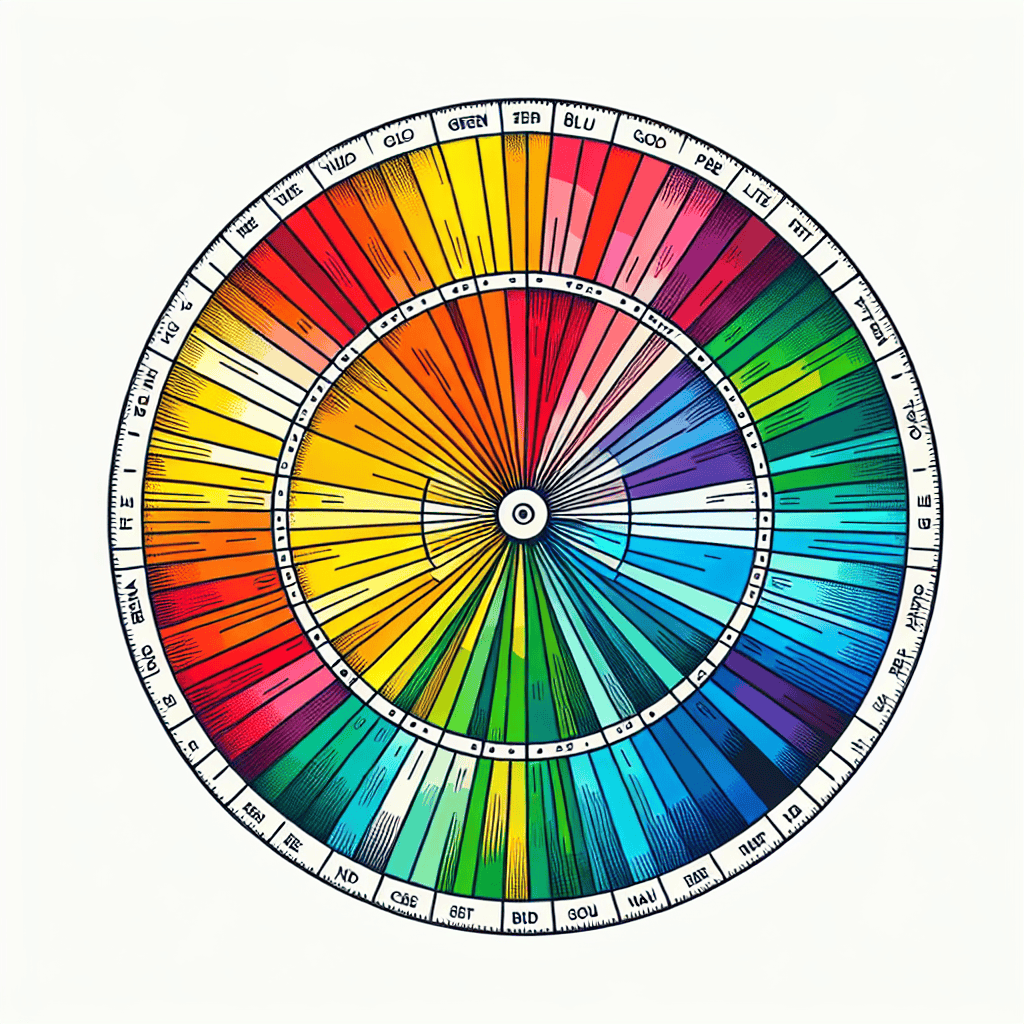
- Primary Colors: In the color wheel, primary colors—red, blue, and yellow—are strategically positioned equidistantly, forming the foundational triangle. These colors serve as the base for all other color mixtures and are often used to create striking visuals in web design due to their ability to stand out.
- Secondary Colors: Secondary colors, such as green, orange, and violet, are placed between the primary colors responsible for their creation. For example, green is located between blue and yellow. These colors are pivotal in web design for adding variety and depth to color schemes.
- Tertiary Colors: Tertiary colors are located between the primary and secondary colors that compose them. By utilizing these nuanced hues, web designers can establish more complex and subtle color palettes that enhance the visual experience and convey distinct moods and themes.
This structured arrangement on the color wheel allows web designers to easily identify harmonious color combinations, ensuring that the color schemes used in websites are both aesthetically pleasing and effective in communicating the desired message or brand identity.
Learn about: WordPress Themes Everything You Need to Know
Color Theory and Tertiary Colors
Color theory is an artful and scientific framework for utilizing colors in design. It provides a set of guidelines and principles that dictate how colors interact with each other, allowing designers to create visually appealing and harmonious compositions.
Creative Use of Color
In the creative realm, color theory empowers artists and designers to explore a diverse palette. It encourages experimentation with color combinations to evoke specific emotions and communicate messages effectively.
For example, using warm colors like reds and oranges can evoke feelings of warmth and excitement, while cool colors like blues and greens can create a sense of calm and tranquility. This creative flexibility helps designers tailor their work to fit the context and desired audience response, transforming plain designs into impactful visual narratives.
Scientific Understanding of Color
From a scientific perspective, color theory establishes logical principles that govern how colors work together. This structured approach is crucial for achieving visual harmony and balance in design.
For instance, complementary colors, such as blue and orange or red and green, sit opposite each other on the color wheel and provide a pleasing contrast when used together.
Understanding these relationships enables designers to craft cohesive and visually balanced works that are both aesthetically pleasing and functional.
Tertiary Colors in Design
Tertiary colors are integral to color theory, as they offer additional depth and complexity to designs. By adding tertiary colors to a design, artists can introduce subtle variations that enhance the overall composition and add richness to the visual experience.
For example, creating a nature-themed website might involve using a palette that includes green (a secondary color) alongside yellow-green (a tertiary color) to reflect the diversity of natural shades. Such thoughtful application of tertiary colors can set designs apart, enabling them to resonate more deeply with their audience.
Read more: Why Accessibility in Web Design Should Be a Focus for White-Label WordPress Providers
Understanding Analogous Colors
Analogous colors are groups of three colors that are adjacent on the color wheel, sharing a common hue. For example, a scheme might include blue, blue-green, and green. This close relationship results in a harmonious blend that feels naturally connected and aesthetically pleasing.
Constructing a Color System
To use analogous colors in a design, it’s important to establish a system involving a dominant color, a supporting color, and an accent color. The dominant color serves as the primary focus in the design, while the supporting color provides balance and variation. The accent color offers a subtle contrast or highlight, adding interest without disrupting the overall harmony.
Benefits and Challenges of Analogous Colors
Analogous color schemes are particularly useful for creating calm and soothing visual experiences. They work well in contexts that require a relaxed and cohesive atmosphere, such as spa websites or nature photography portfolios. However, one challenge is that they may lack contrast, which can make it difficult for elements to stand out. Designers must carefully consider the balance and proportion of each color to maintain visual interest while preserving harmony.
Check out: Top Trends in WordPress Website Design
Tips for Working with Tertiary Colors
Tertiary colors, with their nuanced tones, offer a rich palette for creating more sophisticated and visually engaging artworks. Here are some tips to help you make the most of these colors in your designs.
Creating Balance and Harmony
Using tertiary colors can help achieve a sense of balance and harmony in your artwork. Their intermediate nature between primary and secondary colors allows for smooth transitions and cohesive designs. For instance, combining blue-green with shades of green and blue can form a tranquil, unified color scheme that feels naturally balanced.
Experimentation with Combinations
Don’t hesitate to experiment with different tertiary color combinations to find the perfect mix for your artwork. Testing various hues like red-violet with red and violet can reveal unexpected results and unique color schemes tailored to your design’s objectives. Play around with different proportions and pairings to discover what resonates best with your vision.
Considering Mood and Atmosphere
When selecting tertiary colors, consider the mood and atmosphere you want to evoke in your artwork. Tertiary colors can significantly influence the emotional response of an audience. For instance, using yellow-orange can create a warm, inviting atmosphere, making it ideal for seasonal projects or cheerful settings. Think about the feelings you wish to convey and choose colors accordingly to enhance the overall effect.
By incorporating these tips, you can effectively harness the power of tertiary colors to enrich your designs and captivate your audience.
Guide for Beginners: Is WordPress Free
Tertiary Colors Examples in Website Design
Tertiary colors significantly enhance website design through their ability to infuse depth, richness, and sophistication. Here are a few examples of how well-known brands effectively use tertiary colors to strengthen their digital presence.
Enhancing Aesthetic Appeal
For brands like Airbnb, the use of a blue-green color palette evokes a sense of ease and tranquility, perfectly complementing their community-oriented approach. This distinct color choice enhances the overall aesthetic appeal and creates a welcoming and serene atmosphere that aligns with their brand values.

Establishing Brand Identity
Tech companies such as Slack use tertiary colors like blue-violet to emphasize innovation and creativity. This color choice not only sets Slack apart as a cutting-edge communication platform but also reinforces its identity as a forward-thinking and dynamic brand.

Creating Visual Flow
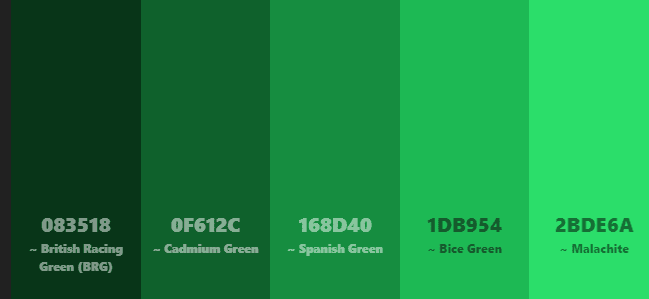
Brands like Spotify effectively use tertiary colors such as green-blue to guide users through their digital platform. The strategic application of this color in navigation menus, playlists, and interactive elements enhances visual flow, seamlessly directing users’ attention to key features like music recommendations and discovery playlists.
Conveying Mood and Emotion
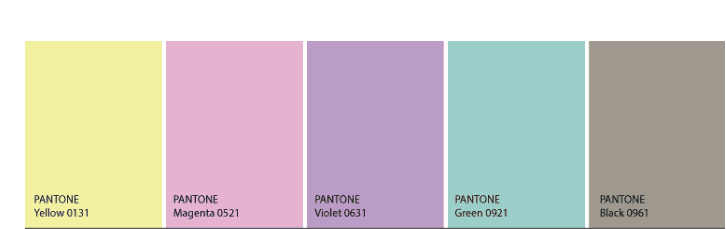
Lifestyle brands like Pantone often use yellow-orange in their designs to evoke a warm and cheerful mood. Pantone’s color choices are consistent with their expertise in color trends and emotional storytelling, making their web presence lively and engaging.
Conclusion
In conclusion, tertiary colors are an indispensable part of color theory. They provide designers with a more comprehensive palette, reaching beyond primary and secondary colors. Understanding and utilizing tertiary colors can significantly elevate the visual appeal of artworks and designs by adding depth, complexity, and subtlety. Designers who master the use of tertiary colors can create visually stunning compositions that resonate with viewers.
FAQs About Tertiary Colors
What are the 6 main tertiary colors?
The six tertiary colors are red-orange, yellow-orange, yellow-green, blue-green, blue-violet, and red-violet.
How is a tertiary color created?
A tertiary color is created by mixing one primary color with a neighboring secondary color on the color wheel.
What is the significance of tertiary colors in design?
Tertiary colors offer a broader color palette, enabling designers to infuse depth, nuance, and harmony into their works.
What is an analogous color scheme?
An analogous color scheme involves using colors located next to each other on the color wheel. It includes a dominant color, supporting color, and accent color for a harmonious effect.
Can tertiary colors be used in digital design?
Yes, tertiary colors are widely used in digital design to create visually appealing and balanced interfaces by providing a wider range of color selection.